How Does a Pool Sand Filter Work?
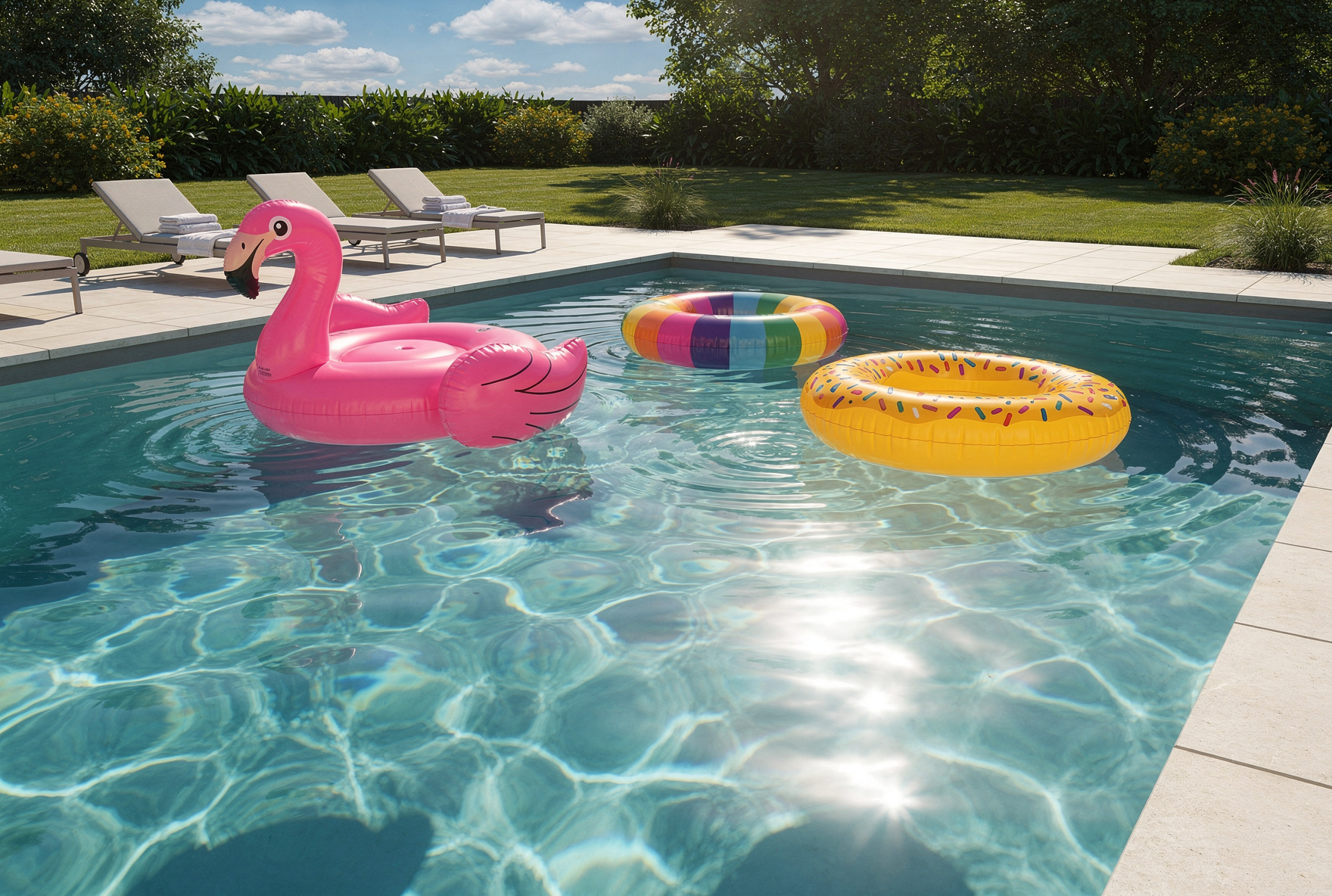
Wondering how to keep your pool water clear and sparkling? The answer is a pool sand filter. This simple filter removes dirt, oils, and bugs so your pool always looks inviting and fresh.
A sand filter keeps things effortless. Learn how it works, what parts to watch, and how easy it is to keep up with maintenance.
Why a Sand Filter Is Essential for Pool Owners
A sand filter does more than scoop out leaves and bugs. It picks up tiny things that cloud up your water, like oils, bacteria, dirt, pollen, even micro-particles. Even the best chlorine balance can't totally replace good filtration.
If you rent out your pool, guests will spot cloudy water right away. Clear water says you care about your space and their fun. A healthy filter saves you cash on chemicals, too—it protects skin and eyes from irritation.
- They're affordable to buy
- They last for years with just a bit of care
- Maintenance is way easier compared to other filters
You don't need to be a chemist or a pool tech to keep your sand filter working great. A little attention goes a long way.
How Does a Pool Sand Filter Work? Key Components Explained
So, here's the lowdown on sand filter parts. Four main pieces do all the heavy lifting. When you know what does what, it's easy to spot issues or catch simple fixes before they turn into headaches.
- Filter tank: The big container holding everything, usually fiberglass or tough plastic.
- Sand media: This is the gritty stuff that stashes dirt as water flows through. The sharp sand traps debris in the tiny gaps.
- Laterals: Slotted pipes at the bottom that keep sand in place and move clean water out. They're like the gatekeepers of your system.
- Multiport valve: Lets you choose different modes like filter, backwash, rinse, or recirculate, just by turning a handle.
Get comfortable with these, and you'll always know what's happening when your pool acts up.
The Flow of Water Through the Filter
Your pump pulls water from the skimmer and main drain. It sends that dirty water into the top of your filter, right through the multiport valve.
Once inside, water spreads across the sand bed. Gravity and pressure push it down through the sand. Every grain catches and holds onto dirt as water slips by.
The laterals down below collect the now-clean water, making sure sand stays put. The filtered water then returns to your pool through the jets.
This happens over and over while your pump runs. The more often your water cycles, the clearer it gets. Simple!
Trapping and Holding Contaminants
The magic's in the sand. It's not just about blocking big stuff. Tiny pores between the sand grains catch everything from leaves and hair to algae and fine dust.
- Bigger debris, like leaves or insects, stay at the top of the sand bed
- Smaller stuff, like pollen or sunscreen, gets stuck deeper down
- Oils and tiny particles settle in the sand as time goes on
Turns out, the more the sand bed grabs, the better it filters. But there's a point where it's too full and water can't move through. Watch for pressure changes or cloudy water. Those are your cues to clean.
Backwashing: The Cleaning Process
Backwashing is your best friend. It forces water through the sand in reverse, kicking out all that trapped gunk. You'll want to do this on a regular schedule.
- First, turn off your pump before moving the valve
- Switch to "backwash" mode
- Turn the pump back on—water runs backward and sends debris right out the waste line
- When the sight glass is clear (usually 2-3 minutes), you’re done
After backwashing, always use the "rinse" setting for 30 seconds. This helps the sand settle and cleans out leftover debris. Then pop the valve back to "filter" mode and keep things rolling.
Most private pools need backwashing every 1 to 4 weeks. If you're hosting a lot or get tons of leaves, you'll do it more often. Don't skip this because it keeps your pool clear and protects your pump.
Common Issues and Troubleshooting
Even if you're following all the rules, sand filters can still act up. Here's what you'll notice and what you can do:
- High pressure readings: Probably means the sand bed is full. Backwash when it's 8-10 psi above your clean baseline. If that doesn't help, the sand may need a change.
- Channeling: When water carves mini-paths through the sand instead of filtering. Try a longer backwash. If it keeps happening, new sand fixes it.
- Sand in the pool: Broken laterals are usually to blame. Time to open the tank and swap them out for new ones.
- Leaking multiport valves: Check the o-ring first. If it's cracked or worn, replace it. A damaged valve body needs a whole new part.
- Cloudy water right after backwashing: No worries. You probably skipped the rinse cycle. Always rinse after backwashing to settle the sand.
Ongoing Maintenance for Sand Filters
Staying on top of maintenance keeps everything running easy and smooth. Here's your quick checklist:
- Check your pressure gauge every week
- Know your filter's "clean" pressure and backwash when it's 8-10 psi higher
- Inspect the multiport valve for leaks every few months
- Tighten clamps if needed and swap old o-rings for new ones
- Replace your sand every 3-5 years to keep filtering sharp
- Deep-clean the filter with a cleaner solution 2-4 times a year
After about 2 years, your sand actually filters best, so don't rush to replace it unless you see issues like cloudy water or pressure spikes. After 5 years, though, worn sand just can't keep up anymore.
These small habits save you from big, expensive fixes later.
Keep Your Pool Sparkling with Swimply
Now you've got the inside word on sand filters. Keep them in good shape, and your pool will always look pool-party perfect for guests. That means better reviews and more bookings.
Pair a healthy filter with the right chemicals and a comfy water temperature. Your space will be everyone's favorite summer spot. You don't have to be a pool expert, you just need to stay consistent.
Ready to share that backyard magic? List your pool on Swimply and let us handle bookings, payments, and peace of mind protection. You focus on style and fun and the rest is handled!